Choosing the best fabric for tablecloths comes down to what you're using them for. If you're covering dozens of tables for a wedding or banquet, polyester is worth considering. It holds up well to repeated use, doesn't wrinkle as easily as many natural fabrics, and is fairly simple to clean. Cotton is a good fit for everyday meals, while linen has a slightly textured appearance that works especially well for more formal table settings.
Then there are fabrics like satin, velvet, lace, and organza. You probably wouldn't choose all of these for everyday dining, but they can work well for weddings and other special occasions, particularly as overlays. We'll compare nine tablecloth fabrics, including how they look, how much care they need, and when each is worth using.
What Is the Best Fabric for Tablecloths?
For most events, polyester is the best all-around tablecloth material because it balances durability, appearance, affordability, and ease of care. It can withstand repeated use and washing, making it especially convenient when you're dressing several tables or preparing for back-to-back celebrations.
However, other fabrics may be better suited to particular needs:
-
Best for everyday dining: Cotton, for its soft texture and casual appearance.
-
Best for weddings and banquets: Polyester, for its neat finish and relatively low maintenance.
-
Best natural fabric: Linen, for its distinctive texture and relaxed drape.
-
Best for formal, glossy table settings: Satin, especially polyester satin.
-
Best for rustic celebrations: Burlap, often paired with a softer tablecloth underneath.
-
Best for decorative layering: Lace and organza, which add detail without completely concealing the base fabric.
-
Best for rich, textured tablescapes: Velvet, particularly for evening receptions and holiday dinners.
The right choice also depends on how the fabric feels, how it hangs over the table, and how much effort you're willing to spend cleaning and storing it.
Tablecloth Fabric Comparison Chart
Before looking at each material individually, use this chart to compare the most common tablecloth fabrics.
| Fabric | Wrinkle Resistance | Maintenance | Best For |
|---|---|---|---|
| Cotton | Low | Moderate | Everyday dining, casual gatherings |
| Linen | Low | Moderate to high | Formal dining, natural-style weddings |
| Polyester | High | Easy | Weddings, banquets, frequent use |
| Lace | Varies | Delicate care | Vintage weddings, decorative overlays |
| Silk | Low to moderate | Delicate care | Luxury table settings, special occasions |
| Burlap | Moderate | Specialized care | Rustic weddings, decorative accents |
| Organza | Varies | Delicate care | Sheer overlays, wedding tables |
| Satin | Varies by fiber | Varies | Formal receptions, glossy table settings |
| Velvet | Moderate | Moderate to high | Holiday dinners, evening events |
These are general comparisons. Fabric weight, fiber blends, weave, and finishing treatments can affect wrinkle resistance, durability, and washing requirements.
How to Choose the Best Fabric for Tablecloths
A tablecloth may look beautiful in a product photo but require more upkeep than you're prepared for. Before choosing a material, consider where you'll use it, how often it needs washing, and whether you want a crisp or relaxed finish.
-
Consider How Often You'll Use the Tablecloth
If you're buying tablecloths for regular use, consider how much time you'll spend washing, drying, and ironing them. Polyester makes that work easier. It usually dries faster than cotton or linen and doesn't wrinkle as much, which is helpful when you have several tables to set up. Cotton is fine for everyday meals at home, although you'll probably need to iron it occasionally.
A wedding reception is a different story. Since the tablecloths may only be used for one event, you can afford to be less concerned about upkeep. Lace, silk, or satin may be worth the extra care if you prefer their appearance.
-
Think About Fabric Texture and Drape
Don't judge a tablecloth by how the fabric looks when it's folded. Spread it over a table and see how it falls along the edges. Linen naturally creases and has a visible weave, while cotton usually has a softer finish. Polyester is harder to judge by name alone since some versions are stiff and others drape loosely. Satin has a smooth, glossy surface, and velvet is thicker with a plush feel.
This is worth checking if you're covering long banquet tables. The fabric hanging down the sides will be visible throughout the room, and a tablecloth that bunches at the corners or sticks out awkwardly can look untidy even when the tabletop is perfectly arranged.
-
Account for Spills and Cleaning
For dining tables, appearance shouldn't be the only consideration. Food, drinks, candle wax, and repeated laundering can affect the condition of your tablecloths.
Polyester generally absorbs less moisture than cotton or linen and can be easier to maintain, although it isn't automatically stain-proof. Certain polyester fabrics have additional stain-resistant finishes.
Cotton and linen absorb liquids more readily, so spills should be addressed promptly. Delicate materials, such as silk and some lace fabrics, may require more careful cleaning.
For outdoor dining, consider a tablecloth with a water-resistant finish if spills and moisture are major concerns. Standard woven polyester should not be assumed to be waterproof.
-
Match the Material to Your Event
A casual backyard gathering may call for an easy-care fabric, while a formal reception might benefit from a more decorative finish.
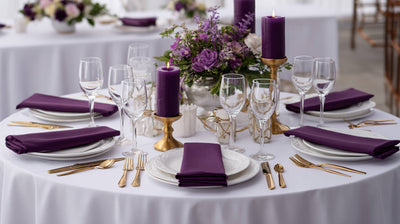
For example, a white polyester tablecloth can provide a simple foundation for colorful floral centerpieces and patterned napkins. A linen tablecloth works well with wooden accents and understated dinnerware, while satin can complement metallic chargers and formal place settings.
The goal is to choose a material that suits both the occasion and the amount of maintenance you're comfortable handling.
The 9 Best Fabrics for Tablecloths
Each tablecloth material has qualities that make it suitable for certain settings. Some are designed for practical, repeated use, while others are primarily decorative.
Here's how nine common materials compare.
1. Cotton Tablecloths

Cotton is the kind of tablecloth you can leave on the dining table all week. It feels soft, doesn't have a shiny finish, and comes in everything from plain colors to printed patterns. Thinner cotton works for a casual breakfast setup, though you might prefer a heavier weave for dinner parties when you want the cloth to hang a little better over the edges.
The downside is how quickly cotton absorbs spills. Knock over a glass of water, and the liquid can soak straight through to the table. That's worth keeping in mind if your dining table is made of wood. A waterproof protector underneath can help prevent moisture from reaching the surface.
Advantages
- Soft, natural texture suitable for everyday dining.
- Available in numerous colors, prints, and fabric weights.
- Many cotton tablecloths can be machine-washed, depending on their care labels.
Drawbacks
- Prone to wrinkles after washing and folding.
- Absorbs spills and may retain stains.
- Some cotton fabrics can shrink if washed or dried incorrectly.
Best for: Everyday meals, casual dinner parties, farmhouse dining rooms, and family gatherings.
2. Linen Tablecloths

Linen is made from flax and has a visible weave that gives it a slightly rougher texture than cotton. It also wrinkles easily, but those creases aren't necessarily a bad thing. For a garden wedding or a small dinner party with wooden accents and greenery, a linen tablecloth can look perfectly at home without being ironed completely smooth.
Good-quality linen can last for years if you take care of it, although you'll usually pay more for it than for basic cotton or polyester. If you like your tablecloths crisp and wrinkle-free, expect to spend some time ironing. Otherwise, you can leave a few natural creases and enjoy the fabric as it is.
Advantages
- Natural texture and drape suitable for casual or formal dining.
- Strong fibers that can withstand repeated use with appropriate care.
- Often becomes softer with laundering.
Drawbacks
- Wrinkles readily, especially after washing.
- Generally more expensive than standard polyester.
- Can require additional pressing and careful laundering.
Best for: Garden weddings, formal dinners, holiday tables, and natural or minimalist table settings.
3. Polyester Tablecloths

Polyester is a common choice for weddings, banquets, and catered events, especially when every table needs to match. It's durable enough for repeated use, holds its shape after washing, and usually needs less ironing than cotton or linen. If you're buying linens for a venue or planning several events, polyester tablecloths can save you quite a bit of work between setups.
There's more than one type of polyester tablecloth. Some have a plain, smooth finish that works with almost any centerpiece, while others have woven patterns or raised textures. You can choose whichever suits your table decorations without adding another layer of fabric. Cleaning is fairly straightforward, although grease and food stains can still be troublesome. Polyester is also sensitive to high heat, so check the care label before putting it in the dryer or reaching for the iron.
Advantages
- Resists wrinkles better than many natural fabrics.
- Durable and suitable for repeated event use.
- Generally quick-drying and relatively easy to wash.
- Available in numerous colors, sizes, and finishes.
Drawbacks
- May not have the same natural texture as cotton or linen.
- Can retain certain oily stains.
- Sensitive to excessive ironing and drying temperatures.
Best for: Weddings, banquets, restaurants, catering services, and frequently used event tables.
For event planners managing several tables, polyester is often a sensible starting point because it combines a neat appearance with manageable upkeep.
4. Lace Tablecloths

Lace tablecloths are often used for weddings, bridal showers, and vintage-style celebrations. The fabric has decorative patterns with small openings throughout, so it usually works better as an overlay than as the main tablecloth. You could place ivory lace over a white or champagne-colored cloth, for example, to let the pattern show while keeping the table fully covered.
Before buying lace, check what it's made from. Some varieties use cotton, while others are made with polyester, nylon, or a blend of fibers. That makes a difference when it's time to wash them. Delicate lace may need gentle cleaning to avoid snagging or damaging the pattern.
Advantages
- Decorative patterns add detail to simple table settings.
- Suitable for layering over contrasting or coordinating colors.
- Works well with vintage, garden, and romantic event themes.
Drawbacks
- Openwork patterns can snag on jewelry, rough surfaces, or decorations.
- Usually requires a base cloth for complete table coverage.
- Some lace fabrics require delicate washing or handling.
Best for: Vintage weddings, bridal showers, sweetheart tables, and decorative overlays.
5. Silk Tablecloths

Silk isn't a fabric I'd rush to use for a table where guests will be eating and drinking all evening. It can look lovely for a formal dinner, with a soft sheen that doesn't need much decoration around it. Not all silk looks alike, either. Depending on the weave, it might be glossy and smooth or have a more textured surface, and heavier silk won't hang the same way as a lightweight piece.
Then there's the cleaning. Some silk fabrics can develop water marks, and getting food stains out isn't always straightforward. Strong cleaning products and prolonged sunlight can cause damage, too. With silk generally costing more than ordinary tablecloth fabrics, using it for a runner or another decorative detail may make more sense than covering every table at a large reception.
Advantages
- Smooth texture and natural sheen.
- Attractive drape for selected formal settings.
- Available in different weaves and finishes.
Drawbacks
- Usually more expensive than polyester or cotton.
- May require professional or specialized cleaning.
- Less practical for frequent laundering and heavy dining use.
Best for: Luxury dining arrangements, formal display tables, and special occasions where decorative appearance takes priority.
6. Burlap Tablecloths

Burlap has a rough, open weave and a natural brown color that fits right in with barn weddings, outdoor parties, and farmhouse-style table settings. It's usually made from jute, and its coarse texture looks good next to white plates, greenery, and simple flower arrangements. You don't need much decoration to get that rustic look when the fabric already has so much texture.
I wouldn't use burlap as the only covering on a dining table, though. It can feel scratchy against your arms, and the loose fibers may shed or fray after repeated handling. A burlap runner over a plain cotton or polyester tablecloth is a better option. You still get the rustic appearance without having guests eat directly on the rough fabric.
Advantages
- Distinctive coarse texture for rustic settings.
- Pairs well with greenery, wood, lace, and neutral colors.
- Suitable for decorative runners and overlays.
Drawbacks
- Rough surface may be uncomfortable for dining.
- Can shed fibers and fray at unfinished edges.
- Not all burlap products are suitable for machine washing.
Best for: Rustic weddings, barn receptions, farmhouse celebrations, and decorative table accents.
7. Organza Tablecloths

Organza is a thin, see-through fabric with a slightly stiff feel, so it holds its shape better than many other sheer materials. You'll often see it layered over tablecloths at weddings, where it adds a little color or shimmer without hiding what's underneath. Try gold organza over an ivory tablecloth if you want a warmer look without covering the base fabric completely.
Since organza is sheer, it won't do much to hide the table beneath it or protect the surface from spills. It's better used as an overlay than a full table covering. Check the fabric label before washing, too. Organza can be made from silk or synthetic fibers, and some versions need gentler care than others.
Advantages
- Lightweight and sheer for decorative layering.
- Available in numerous colors and finishes.
- Adds texture without completely hiding the base tablecloth.
Drawbacks
- Offers little protection against spills.
- Can snag or become damaged through rough handling.
- Requires a solid base fabric for full coverage.
Best for: Wedding overlays, dessert tables, bridal showers, and layered formal table settings.
8. Satin Tablecloths

Satin is easy to recognize by its smooth, shiny surface. Under banquet hall lighting, it catches the light in a way that plain cotton or polyester doesn't, especially when paired with metallic chargers, flowers, or matching napkins. It's a common choice for formal receptions, although the amount of shine can vary from one satin fabric to another.
One thing worth knowing before you buy: satin describes how the fabric is woven, not what it's made of. You can find satin made from silk, polyester, and other fibers. Polyester satin is often the more affordable option for event tablecloths and may be easier to care for than silk satin. Check the fabric content and washing instructions rather than assuming every satin tablecloth needs special cleaning.
Advantages
- Smooth, glossy finish suited to formal occasions.
- Available in a wide range of colors.
- Polyester satin can offer a more affordable alternative to silk satin.
Drawbacks
- Shiny surfaces can make creases and marks more noticeable.
- Some satin fabrics may slide on smooth tabletops.
- Cleaning and heat tolerance depend on fiber composition.
Best for: Wedding receptions, formal banquets, anniversary celebrations, and evening events.
For a glossy finish, explore satin and Lamour tablecloths and compare the available textures before choosing a material.
9. Velvet Tablecloths

Velvet has a thick, soft surface that looks especially rich under warm lighting. It's a good option for evening receptions, winter weddings, and holiday dinners. Dark shades like burgundy, emerald green, navy, and black look striking with candles, gold or silver dinnerware, and seasonal flowers. The fabric already has plenty of texture, so you can keep the rest of the table decorations fairly simple.
Velvet does need a little attention between uses. Its raised fibers can pick up lint or develop flattened patches when folded or stored under heavy items. Some polyester velvet tablecloths are made for regular event use, but others may need special cleaning. Check the care instructions and avoid packing the fabric too tightly if you want to keep its soft finish looking good.
Advantages
- Plush texture adds depth to formal table settings.
- Works well with rich colors and evening lighting.
- Can create a distinctive appearance without additional overlays.
Drawbacks
- May collect lint, dust, and debris.
- Pile can become flattened or marked during storage.
- Some velvet fabrics require careful cleaning.
Best for: Winter weddings, holiday dinners, evening receptions, and formal display tables.
Best Tablecloth Fabrics for Different Occasions
Once you've compared the materials, the next step is matching the fabric to the occasion. A tablecloth suitable for an intimate dinner may not be practical for a large event with dozens of tables.
Best Fabric for Everyday Dining
Cotton is a good everyday tablecloth, especially for family meals when you want something soft and simple. The downside is that it can wrinkle after washing, so you may find yourself ironing it more often than you'd like. Polyester or a cotton-polyester blend is easier to manage if you'd rather skip that extra work.
If spills are a regular occurrence at your table, check whether the tablecloth has a stain-resistant or water-repellent finish. The fabric alone won't necessarily keep liquids from soaking through.
Best Fabric for Wedding Tablecloths
For a wedding with lots of guest tables, polyester is worth considering. You can buy matching tablecloths in the same color, and most won't need much ironing before the reception. It's a practical way to cover a large number of tables without spending too much time preparing the linens. Satin is an option if you prefer a shinier finish, while linen looks more at home at garden weddings, especially with greenery and loosely arranged flowers.
You can save the more delicate fabrics for tables that need extra decoration. A lace overlay on the sweetheart table or a piece of organza draped over the cake table may be enough. There's no need to use them on every guest table, where spills and frequent handling can make delicate fabrics harder to manage.
Best Fabric for Outdoor Tablecloths
Outdoor tablecloths have to deal with more than food spills. Damp grass, unexpected rain, and frequent handling can all affect the fabric. Polyester is a reasonable choice for a backyard party or temporary outdoor setup since it dries fairly quickly and holds up well to regular use. Just remember that ordinary polyester isn't waterproof.
For picnics or tables where drinks are likely to get knocked over, a coated or water-resistant tablecloth may be more useful. Burlap looks nice for rustic outdoor celebrations, particularly as a runner over a plain tablecloth, but it won't keep moisture from reaching the table underneath.
Best Fabric for Restaurants and Catering Events
Restaurant and catering tablecloths go through a lot of washing, folding, and setting up, so it's worth choosing fabric that can handle that routine. Commercial-grade polyester is often a sensible buy. It's generally durable, relatively easy to wash, and doesn't require much ironing. Before ordering in bulk, though, look at the fabric weight, stitching, and washing instructions. It's also worth checking how well the color holds up after repeated laundering.
For cocktail tables or buffet displays, stretch tablecloths can give you a neater fit without loose fabric hanging around the legs. Just make sure the cover is made for your table's shape and dimensions.
Which Tablecloth Fabric Is the Most Wrinkle-Resistant?
Polyester is one of the better choices if you want tablecloths that don't need ironing every time you use them. It holds its shape well and tends to crease less than cotton or linen, which is helpful when you're transporting linens to an event and setting up several tables.
Cotton and linen are more likely to come out of the wash wrinkled or develop creases while sitting folded in storage. A cotton-polyester blend can be a reasonable compromise if you like the feel of cotton but want to spend less time ironing.
Even polyester isn't completely wrinkle-free. Leave a tablecloth folded for months or pack it tightly into a storage box, and you'll probably see some fold lines when you take it out. To keep wrinkles to a minimum, take the linens out of the dryer as soon as the cycle finishes, provided the care label allows tumble drying. Fold them loosely and give them enough room in storage instead of squeezing everything onto one shelf.
How to Care for Different Tablecloth Fabrics
Proper cleaning and storage help tablecloths maintain their appearance, especially when they're used repeatedly for events.
-
Washing Cotton and Linen
Cotton and linen tablecloths can often go straight into the washing machine, although it's worth checking the label first. Some fabrics may shrink in hot water or a high-heat dryer, particularly if they haven't been prewashed.
Try to deal with food and drink spills before they dry into the fabric. Once washed, cotton and linen may need ironing if you prefer a crisp, smooth finish. Linen naturally creases more easily, so don't expect it to stay perfectly pressed throughout a meal.
-
Washing Polyester Tablecloths
Polyester is fairly easy to look after, which is one reason it's used so often for event linens. Many polyester tablecloths can be machine-washed and are ready to use again after a relatively short drying time.
Keep an eye on the temperature settings, though. Too much heat can damage synthetic fibers, whether you're using a dryer or an iron. If a stain survives the first wash, check the manufacturer's cleaning advice before trying a stronger product.
-
Cleaning Satin, Silk, Lace, and Velvet
With these fabrics, the material listed on the label matters just as much as the name of the fabric. Polyester satin, for example, may be fine in the washing machine, while silk satin often needs gentler handling.
Lace can catch on zippers, hooks, or other items in the wash, so it may need extra protection. Velvet presents a different problem: rough handling or pressing can flatten its soft pile and leave visible marks. Some velvet tablecloths require professional cleaning.
Don't assume that a fabric can be ironed or steamed just because it looks wrinkled. Check the care label before applying heat.
-
Storing Tablecloths Between Events
Never put tablecloths away while they're damp, even if they only feel slightly moist. Wash out any remaining stains, let the fabric dry completely, and store it somewhere clean and dry.
Cotton and polyester tablecloths can usually be folded and stacked without much trouble. Be more careful with velvet and other delicate fabrics, since the weight of a large pile of linens can leave flattened areas or stubborn creases.
Frequently Asked Questions About Tablecloth Fabrics
What Is the Best Material for a Tablecloth?
Polyester is a strong all-around choice because it's durable, wrinkle-resistant, and relatively easy to maintain. Cotton is suitable for everyday dining, while linen works well for those who prefer a natural texture. The best tablecloth material ultimately depends on how often it will be used and the appearance you want.
Is Cotton or Polyester Better for Tablecloths?
Cotton is better suited to people who prefer natural fibers and a soft, casual appearance. Polyester is generally more convenient for frequent events because it resists wrinkles and dries relatively quickly. Both can work well for dining, depending on maintenance preferences.
What Fabric Is Best for Wrinkle-Free Tablecloths?
Polyester and certain polyester blends are among the most practical options for wrinkle-resistant tablecloths. They generally hold their shape better than cotton or linen. However, no fabric should be assumed completely wrinkle-free, especially after being folded or stored for extended periods.
What Is the Most Durable Fabric for Tablecloths?
Polyester is often a good choice for tablecloths that undergo frequent washing and handling. Heavyweight cotton and linen can also be durable when properly maintained. Fabric construction, weight, stitching, and care practices matter as much as fiber type.
What Type of Tablecloth Is Best for Weddings?
Polyester tablecloths are practical for most wedding receptions because they are available in numerous colors and sizes and require relatively little maintenance. Satin offers a glossy finish for formal settings, while linen works well for natural-style weddings. Lace and organza can be added as decorative overlays.
Which Tablecloth Material Is Easiest to Clean?
Polyester is generally one of the easiest reusable tablecloth materials to maintain. Many polyester tablecloths are machine-washable, quick-drying, and wrinkle-resistant. However, stain resistance varies by product, so always check the manufacturer's care instructions.
Find the Right Tablecloth Fabric for Your Next Event
Polyester makes sense if you host parties often or need tablecloths for a large event. It holds up well to regular use and doesn't take much effort to maintain. Cotton and linen have a softer, more natural look, while satin and velvet suit tables that call for something a little dressier. You can also use lace, organza, or burlap as an overlay rather than making them the main table covering.
Browse the tablecloth collection for different fabrics, colors, and sizes. If you want to add another layer to your table setting, take a look at the table runners and table overlays as well.