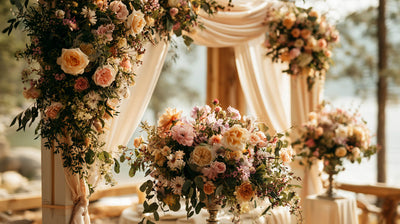
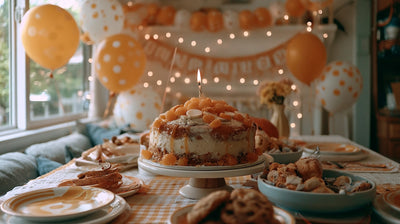
Choosing the best fabric for tablecloths does more than protect your table, it defines the entire atmosphere of your space. From everyday dining setups to formal weddings and high traffic events, the material you select influences drape, texture, durability, and maintenance. Quality table linens, thoughtfully layered runners, and well fitted tablecloths can instantly elevate a simple tablescape into something polished and intentional. Understanding how different fabrics perform, whether you need elegance, wrinkle resistance, easy care, or long term durability, ensures you select the best fabric for tablecloths based on both style and function rather than guesswork.
How to Choose the Best Fabric for Tablecloths
When it comes down to it, no material is unanimously considered the best fabric for tablecloths. That’s because each type offers pros and cons, so it’s best to consider circumstantial factors for the occasion. If you’re unsure of what’s best for you, consider the following:

-
Indoor or Outdoor: Outdoor tablecloths are more exposed to the elements, so they should be more durable than indoor tablecloths.
-
Type of Event: Keep the kind of event in mind. Children’s birthday parties have very different tablecloth needs than a wedding or formal event.
-
Aesthetic: Your tablecloth should complement the rest of your space. For example, florals and greenery stand out beautifully against a white fabric tablecloth.
-
Taste: Often, several different fabrics will work. When that’s the case, it simply comes down to personal preference.
Create a list of your tablecloth needs and preferences, and then you can quickly narrow your search for the best fabric.
The 9 Best Fabrics for Tablecloths
Are you in the market for new table linens but still deciding which material to choose? Whether you need table runners to match your seasonal centerpieces or are looking to replace old table overlays, the following guide should help you choose the most suitable fabric.
1. Cotton Tablecloths
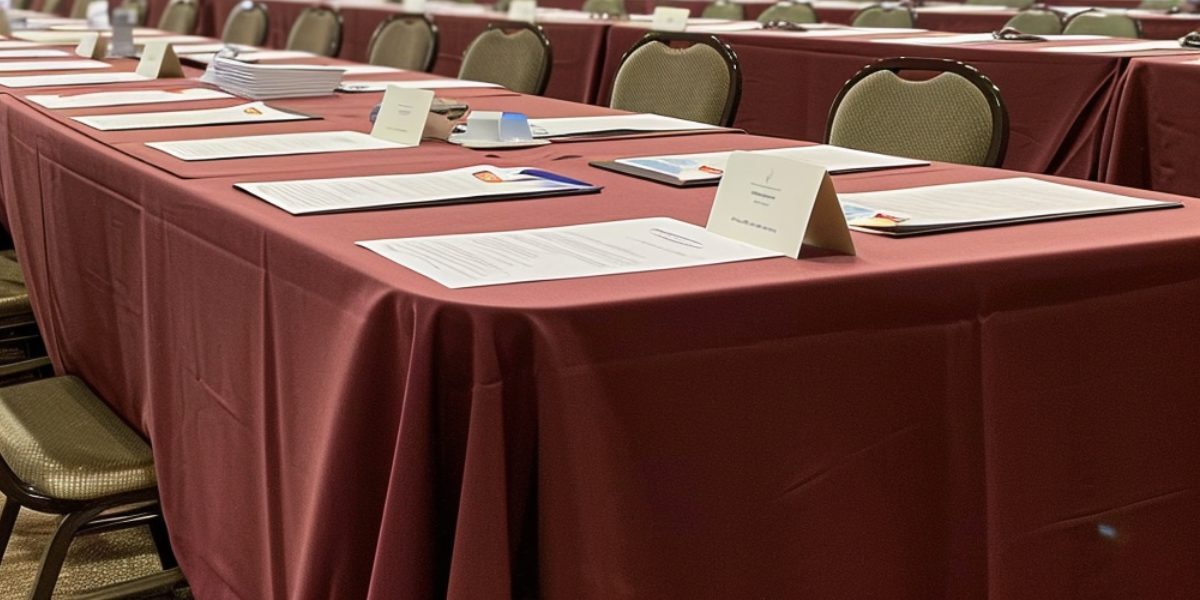
Dining room designers have long used cotton fabric for tablecloths due to the incredible versatility of the material. Cotton tablecloths can range from plain white to intricately designed pieces dyed in any color. Cotton woven tablecloths also offer excellent absorbency, which means better protection for your table.
✅ Pros:
-
Soft and breathable: Cotton offers a comfortable, natural texture that is gentle to the touch and allows air to flow, making it perfect for casual dining or everyday use.
-
Natural and eco-friendly: As a biodegradable and renewable resource, cotton is a great choice for those who prioritize sustainability in their home décor.
-
Available in various styles and colors: From classic white to vibrant patterns, cotton tablecloths come in a wide range of designs, making it easy to match any theme or aesthetic.
❌ Cons:
-
Wrinkles easily: Cotton tends to crease after washing or folding, often requiring ironing to maintain a crisp and polished appearance.
-
May require frequent washing: Due to its absorbent nature, cotton can quickly soak up spills and stains, meaning it may need to be laundered more often than synthetic options.
2. Linen Tablecloths
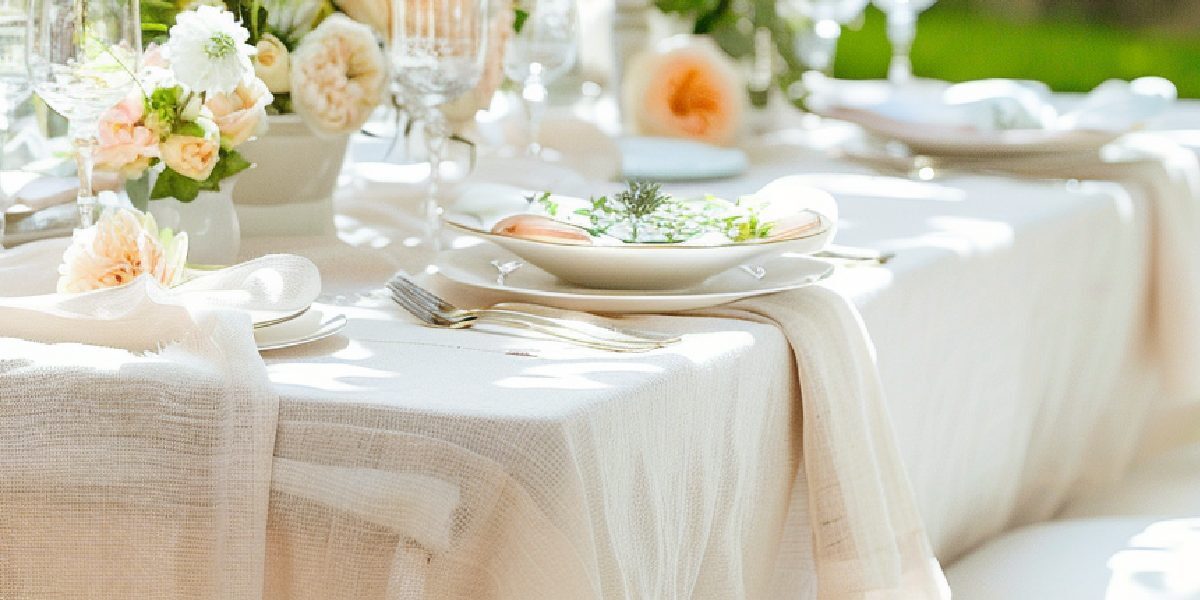
For a lighter and more breathable fabric than cotton blend tablecloths can provide, linen can be a great option. This natural fiber tablecloth is lighter but still tough and absorbent. However, even the best linen tablecloth requires careful maintenance, as it is prone to wrinkling.
✅ Pros:
-
Luxurious and elegant: Linen has a naturally upscale look and texture, making it a favorite for formal events, weddings, and holiday dinners.
-
Strong and long-lasting: Despite its lightweight feel, linen is one of the strongest natural fibers and can withstand years of use with proper care.
-
Becomes softer over time: One of the best linen tablecloth benefits is that it improves with age. Repeated washing enhances its softness and drape, adding to its charm as a luxury tablecloth fabric.
❌ Cons:
-
Expensive compared to other fabrics: Linen often comes with a higher price tag due to its quality and labor-intensive production process.
-
Requires special care and ironing: It wrinkles easily and typically needs careful washing and ironing to maintain its refined look, which may not suit low-maintenance households.
3. Polyester Tablecloths

Shop the Look: Checkered Tablecloth | Checkered Napkin


You can't go wrong with a polyester tablecloth for a super durable, affordable, lower-maintenance option. It’s also the best stain-resistant tablecloth. Plus, it’s wrinkle-resistant, which makes polyester tablecloths better for outdoor use than cotton blend table linens. Also, if you’re looking for something even more affordable without any maintenance, you can always use a disposable tablecloth.
✅ Pros:
-
Wrinkle-resistant and durable: Polyester holds its shape well and resists creasing, making it ideal for high-traffic use or events where presentation matters.
-
Budget-friendly: Typically more affordable than natural fabrics, polyester offers great value without sacrificing appearance.
-
Easy to maintain: It is machine washable, quick-drying, and stain-resistant, making it a reliable option for both home use and commercial settings.
❌ Cons:
-
Less breathable than natural fabrics: Polyester does not provide the same airflow as cotton or linen, which may make it feel less comfortable in warmer environments.
-
May lack a luxurious feel: While it can mimic the appearance of finer fabrics, polyester may not deliver the same softness or premium texture as natural materials.
4. Lace Tablecloths
 Easily one of the most attractive materials, lace is used mainly for decoration. Lace tablecloths are beautiful but fragile. The fabric requires you to handle it with care at all times, especially when you’re cleaning it. If you’re looking to beautify a decorative table, lace is a great choice. However, if you need fabric capable of withstanding the wear and tear of a dinner party, opt for a laminated cotton tablecloth instead.
✅ Pros:
-
Elegant and decorative: Lace tablecloths add a delicate, vintage charm to any table, making them perfect for formal or romantic settings.
-
Lightweight and breathable: Lace is airy and lightweight, ideal for events or spaces where a refined and less heavy appearance is desired.
-
Perfect for vintage and romantic settings: Lace embodies timeless elegance, often associated with weddings, garden parties, and vintage-inspired décor, enhancing the ambiance with its intricate patterns.
❌ Cons:
-
Delicate and prone to tearing: Lace is a fragile fabric that can easily tear or snag, especially in busy environments or with rough handling.
-
Requires a liner for full coverage: To prevent the see-through effect, a liner or underlay is usually needed, which can add extra cost and maintenance.
-
Harder to clean and maintain: Lace can be difficult to clean due to its delicate nature. It may require hand washing or dry cleaning, and its intricate design makes stain removal more challenging.
5. Silk Tablecloths
 Silk is renowned for its beauty, elegance, and luxury. Few materials can elevate a table like silk, but you should know that it will come with a significantly larger price tag than most other fabrics. However, suppose the look and presence of this beautiful material are of great value to you. Then, the high price tag may not be a deal breaker.
✅ Pros:
-
Luxurious and soft with a natural sheen: Silk tablecloths are known for their incredibly soft feel and stunning sheen, making them ideal for upscale events and formal dining experiences.
-
Great for high-end events and formal dining: The rich and opulent appearance of silk is perfect for weddings, galas, or holiday dinners where a refined look is essential.
-
Drapes beautifully on tables: Silk naturally falls with elegance, giving your table a sophisticated and perfectly draped appearance that elevates the overall décor.
❌ Cons:
-
Expensive and delicate: Silk is one of the most costly fabrics available, and its fragile nature makes it less practical for families or casual settings.
-
Stains easily: Silk is prone to staining and can be difficult to clean, often requiring professional dry cleaning to preserve its quality and appearance.
-
Not ideal for everyday use: Because of its fragility, high cost, and maintenance requirements, silk is best reserved for special occasions rather than daily use.
6. Burlap Tablecloths
 On the other end of the material spectrum is burlap, a biodegradable, environmentally friendly, simple, and affordable option. Burlap may not be the most beautiful fabric in the world, but it has plenty to offer. It can be a great option when planning a big outdoor event.
✅ Pros:
-
Rustic and trendy: Burlap tablecloths are popular for rustic and farmhouse-style décor, making them ideal for outdoor events, barn weddings, or cozy gatherings.
-
Eco-friendly and biodegradable: Made from jute, burlap is a natural and biodegradable fabric, making it a solid option for those looking to reduce their environmental impact.
-
Durable for outdoor settings: Burlap is tough and sturdy, capable of handling outdoor conditions and heavy use, which makes it suitable for casual rustic-themed events.
❌ Cons:
-
Can be rough to the touch: While durable, burlap has a coarse texture that may feel uncomfortable on dining tables without cushioning or a soft underlay.
-
Sheds fibers and may fray over time: Burlap can shed fibers and fray at the edges with repeated use, which may affect its appearance after multiple washes.
7. Organza Tablecloths
 Organza is often used on tables at significant formal events like weddings. It’s a thin, transparent material commonly used with something solid to add texture, shimmer, detail, and elegance. This delicate material should be handled carefully, but it can easily add a ton to your table design (or even your backdrop stands).
✅ Pros:
-
Sheer and lightweight: Organza is a light and transparent fabric that creates a soft, airy feel, perfect for adding a subtle and ethereal touch to any table setting.
-
Adds an elegant and delicate look: Known for its fine texture, organza brings refined elegance to both casual and formal events, making it a popular choice for weddings, parties, and special gatherings.
-
Commonly used as overlays: Organza is often layered over tablecloths to add texture and a touch of glamour without overwhelming the décor.
❌ Cons:
-
Very delicate and prone to snagging: Because of its sheer nature, organza is fragile and can easily snag on rough surfaces or sharp objects, requiring careful handling.
-
Needs a base layer for full coverage: Organza is transparent and often requires a solid base layer underneath to provide proper coverage, adding extra layers to your table setup.
-
Can wrinkle easily: Despite being lightweight, organza wrinkles quickly and typically needs to be steamed or carefully ironed before use to maintain a crisp appearance.
8. Satin Tablecloths
 If you love the glossy, attractive appearance of silk but not the flashy price tag, then satin tablecloths can be a great option. This material is similar to silk in many ways, but it’s a lot easier to make and, therefore, less expensive.
✅ Pros:
-
Luxurious appearance: Satin is known for its glossy and smooth finish, making it an excellent choice for adding a refined touch to formal events such as weddings and banquets.
-
Adds an elegant touch to wedding or banquet tables: Its lustrous surface elevates the overall setting, helping create an upscale atmosphere that complements sophisticated décor.
-
Available in multiple colors and finishes: Satin comes in a wide range of shades and finishes, from soft pastels to bold hues, making it versatile for various themes and event styles.
❌ Cons:
-
Can be slippery and shift on the table: Satin’s smooth surface can cause the tablecloth to slide, especially on polished tables, requiring adjustments to keep it properly in place.
-
Stains and wrinkles easily: Satin is prone to staining and creasing, which can affect its elegant appearance. It often needs careful cleaning and pressing to stay polished.
-
Requires careful maintenance: Due to its delicate nature, satin typically requires spot cleaning or dry cleaning to preserve its finish and overall look.
9. Velvet Tablecloths
 Velvet is a heavy, soft, textured material that offers a beautiful shimmer capable of elevating any table and bringing elegance to any event. The sumptuous quality of velvet tablecloths means they cost a bit extra, but their durability and attractive appearance can make them well worth it.
✅ Pros:
-
Plush and elegant with a rich texture: Velvet offers a luxurious, soft texture that adds depth and sophistication to any table, creating a striking focal point for special events.
-
Adds warmth and sophistication: The dense and rich feel of velvet makes it ideal for colder months or evening events, bringing a warm and inviting atmosphere to the setting.
-
Great for winter events and formal settings: Velvet’s opulent look makes it perfect for winter parties, holiday dinners, and formal occasions where a luxurious aesthetic is preferred.
❌ Cons:
-
Heavy and difficult to clean: Velvet is a dense fabric that can feel heavy and requires careful handling. It often needs professional cleaning or delicate care to maintain its appearance.
-
Can attract dust and lint: The textured surface of velvet tends to attract dust, lint, and pet hair, which may require frequent cleaning to keep it looking pristine.
-
Not suitable for casual use: Because of its plush and formal nature, velvet is better suited for upscale or seasonal events rather than everyday or casual settings.
Tips for Choosing the Right Tablecloth Fabric
When selecting the best material for tablecloth, keep these helpful tips in mind:
-
Match the fabric to your lifestyle needs: Choose durable and low-maintenance options such as polyester or vinyl for busy households or frequent entertaining.
-
Consider the climate: Opt for breathable fabrics like cotton or linen in warmer environments to keep your space feeling light and comfortable.
-
Look for stain-resistant coatings: Select fabrics with protective finishes to make spill cleanup quick and easy, especially for everyday use or special occasions.
Best Fabric Choices for Different Occasions
When it comes to selecting the perfect tablecloth, the occasion plays a big role in determining the right fabric. Different events call for different textures, durability, and aesthetic appeal. Here’s a breakdown of the best fabric for wrinkle-free tablecloths and other top choices based on the setting:
-
Everyday Use: Cotton and polyester blends offer a balance of softness, durability, and easy maintenance.
-
Formal Dining and Weddings: Linen, satin, and lace bring elegance and sophistication to upscale events.
-
Outdoor Gatherings and Picnics: Vinyl, plastic-coated fabrics, and oilcloth are ideal for their water resistance and quick cleanup.
-
Restaurants and Catering: Polyester and spandex are durable, stretchable, and easy to clean, making them ideal for wrinkle-resistant tablecloths in professional settings.
Find the Best Tablecloths at eFavormart
Now that you know the best fabric for tablecloths, you can choose the perfect products to create an unforgettable tablescape. Complete your setup with stunning centerpieces for tables that add charm and elegance. For a rustic or vintage touch, consider adding a cheesecloth table runner for a soft, textured look.
If you're planning a more glamorous affair, our candelabra candle holders will bring a luxurious ambiance to your table, setting the perfect tone. Don’t forget to check out our variety of party decors to enhance your celebration. Take a look today and create the perfect atmosphere for your next event!