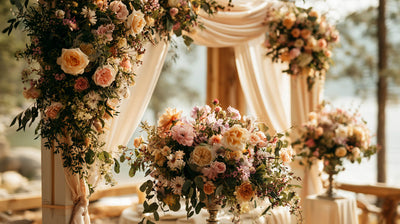
Chiffon and tulle are both lightweight, sheer fabrics commonly used in weddings and event decor, but they differ significantly in texture, structure, and how they transform a space. Chiffon is soft, smooth, and flowy, making it ideal for chiffon table runners and chiffon chair sashes that create graceful movement and a romantic, layered look across tables and seating. Tulle, by contrast, features a net-like structure that holds its shape, which makes it perfect for statement pieces like tulle backdrop curtains and tulle table skirts that add volume, texture, and dimension to event setups. The main difference between chiffon and tulle is that chiffon delivers elegant draping and fluidity, while tulle builds structure and fullness for more dramatic decorative impact.
| Feature | Chiffon | Tulle |
|---|---|---|
| Texture | Smooth, soft, slightly textured | Net-like, airy, lightly structured |
| Structure | Lightweight woven fabric | Open mesh fabric |
| Softness | Soft and fluid | Ranges from soft to semi-stiff |
| Drape | Flows naturally across tables and backdrops | Holds shape and creates volume |
| Transparency | Sheer with an even finish | Sheer with visible mesh pattern |
| Movement | Elegant and flowing | Structured and lifted |
| Common Uses | Table runners, ceiling draping, chair sashes, backdrop swags | Backdrop layering, tutu-style skirting, chair decor, decorative accents |
| Overall Look | Romantic and refined | Airy, voluminous, and dimensional |
At a glance, chiffon is perfect for soft draping and romantic styling, while tulle works best when you want structure and decorative fullness.
What Is Chiffon Fabric?

Chiffon is a lightweight, sheer woven fabric known for its soft texture and elegant drape. In event styling, polyester chiffon is especially popular because it is durable, affordable, and easy to work with for large-scale decor installations. Chiffon has a smooth, airy feel and creates gentle, flowing folds when styled over tables, arches, or ceilings.


Because chiffon moves naturally and does not hold stiff shapes, it is ideal for table runners, chair sashes, wedding backdrops, sweetheart table accents, and soft ceiling draping. If your event design calls for romance, movement, and a refined finish, chiffon delivers that effortlessly.
What Is Tulle Fabric?
Tulle is a lightweight mesh fabric made with a fine net-like structure that creates an airy and structured appearance. Its open weave allows it to maintain shape, which makes it ideal for adding fullness and texture to event decor. Nylon and polyester tulle are commonly used in event styling due to their durability and ability to hold volume.

Unlike chiffon, tulle does not flow in smooth folds. Instead, it lifts and layers beautifully, making it perfect for backdrop panels, dessert table skirts, chair embellishments, pew decor, and decorative installations. Tulle is chosen when you want to add dimension, height, and a whimsical touch to your design.
Difference Between Chiffon and Tulle in Texture and Feel
Chiffon and tulle differ primarily in how they behave when styled. Chiffon is a woven fabric that feels soft and smooth, creating flowing, cascading drapes across tables and backdrops. It lays close to surfaces and forms elegant folds that enhance romantic event themes.

Tulle, in contrast, has a visible mesh structure that gives it texture and structure. It does not collapse into soft folds like chiffon. Instead, it creates lift and volume, making it ideal for layered decor and installations that need fullness. While both fabrics are sheer, chiffon offers a smooth translucent finish, whereas tulle provides a more dimensional and textured look.
Chiffon vs Tulle, Which Should You Choose?

Choosing between chiffon and tulle depends on the type of visual impact you want for your event design. If you want soft draping, elegant table styling, flowing chair sashes, or romantic backdrop swags, chiffon is the better choice. It creates movement and adds a luxurious feel without adding bulk. If you want volume, layered backdrops, decorative fullness, or whimsical accents, tulle is ideal. Its structure allows it to build height and dimension, especially for photo backdrops and decorative displays. In short, choose chiffon for fluid elegance and choose tulle for structured volume.
Fabric Alternatives to Chiffon or Tulle
If chiffon or tulle does not perfectly match your event vision, there are other sheer fabrics to consider. Organza is a popular alternative that combines transparency with a crisp structure, making it ideal for structured bows, table overlays, and decorative accents. Georgette offers softness similar to chiffon but with slightly more texture and durability.
For decor that requires structured layering without a pronounced mesh appearance, soft mesh or illusion fabric can provide volume with a smoother finish. Netting can also be used when additional stiffness is required for decorative builds. The right alternative depends on whether your event design prioritizes softness, structure, or added dimension.
Selecting the Best Fabric for Your Design
Selecting the best fabric for your event design comes down to the atmosphere you want to create and how it works with your overall decor. Soft, flowing materials can elevate classic tablecloths and layered table overlays, adding depth and movement to your tablescape. Structured fabrics help define statement pieces like arch drapes and backdrop covers, creating dimension and visual impact behind sweetheart tables or ceremony setups. When your fabrics complement your table settings and backdrop elements, the entire space feels cohesive, polished, and intentionally styled from front to back.