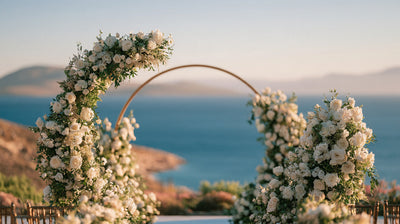
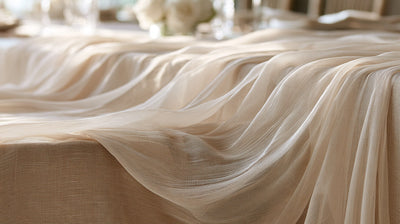
Dusty rose is a soft, muted pink with hints of mauve, gray, or beige, making it easier to pair than brighter pink shades. It feels romantic and polished on its own, but the right color combination can make it look classic, modern, garden-inspired, or more dramatic.
So, what colors go with dusty rose? Dusty rose pairs beautifully with ivory, cream, beige, champagne, gold, sage green, eucalyptus green, navy blue, burgundy, gray, white, and mauve. You can bring these combinations to life with tablecloths, table runners, and artificial flowers, especially when creating soft tablescapes, floral accents, or elegant event color palettes.
What Color Is Dusty Rose?

Dusty rose is a muted pink shade with soft mauve, gray, or beige undertones. It is deeper than blush pink, softer than mauve, and less bright than classic rose pink, giving it a romantic, vintage-inspired look that works well with both warm colors like cream, beige, champagne, and gold, and cooler shades like gray, sage green, eucalyptus, navy blue, and mauve.
What Colors Go With Dusty Rose?
Dusty rose pairs well with soft neutrals, warm metallics, muted greens, deep blues, rich reds, and tonal pink-purple shades. Since it is a muted pink rather than a bright one, it can work as either the main color or the accent color in your palette. For a softer look, pair it with ivory, cream, beige, champagne, or white. For something fresh, bring in sage green or eucalyptus. For more contrast, style it with navy blue, burgundy, gray, or gold.

Dusty Rose and Ivory
A soft ivory base gives dusty rose a classic, romantic feel without looking too stark, making it ideal for weddings, bridal showers, baby showers, and elegant dinner settings. Use ivory through tablecloths, backdrop drapes, or chair covers, then bring in dusty rose through table runners, napkins, artificial flowers, or chair sashes. Gold charger plates, pearl accents, and soft candlelight can complete the palette with a refined finish.

Dusty Rose and Cream
Warmer than white and softer than beige, cream makes dusty rose feel cozy, graceful, and inviting. It works well for intimate celebrations, garden parties, and romantic indoor events where you want dusty rose to look gentle rather than overly pink. Use cream on larger surfaces like table linens or draped backdrops, then add dusty rose through napkins, floral arrangements, balloons, or ribbon accents, with champagne or gold details for a soft-glam finish.

Dusty Rose and Gold
Gold accents make dusty rose feel elegant, polished, and softly luxurious without making the palette too flashy. Use gold as the accent rather than the main color through charger plates, candle holders, candelabras, napkin rings, cutlery, or centerpiece stands. These details can elevate dusty rose linens and florals, while ivory, white, or champagne can be added as a clean base.

Dusty Rose and Champagne
Champagne brings a soft-glam finish to dusty rose without the stronger contrast of yellow gold. It feels warm, refined, and slightly shimmery, making it a beautiful choice for receptions, anniversary dinners, bridal showers, and romantic table settings. Try champagne table runners, chair sashes, or sequin accents with dusty rose napkins, artificial flowers, or balloon details, then add ivory and cream for softness or burgundy for a richer romantic touch.

Dusty Rose and Sage Green
Sage green balances dusty rose with a fresh, natural tone, keeping the palette romantic without looking too sweet. This combination works especially well for garden-inspired themes, spring weddings, and outdoor events. Bring in sage through greenery garlands, foliage, chair sashes, or accent linens, then use dusty rose in napkins, flowers, runners, or balloon accents, with white, ivory, or gold to keep the setup clean and elegant.

Dusty Rose and Navy Blue
Navy blue gives dusty rose depth, structure, and contrast, creating a more sophisticated palette that still feels soft because of the muted pink. This pairing works well for formal weddings, evening events, and polished tablescapes. Use navy as the bold base through tablecloths, backdrop drapes, or accent linens, then bring in dusty rose through florals, napkins, table runners, or chair accents, with gold for warmth or silver for a cooler modern finish.

Dusty Rose and Burgundy
Burgundy adds richness and drama to dusty rose, creating a romantic palette with more depth than softer pink combinations. It is especially fitting for fall weddings, evening receptions, Valentine’s events, and moody floral arrangements. Use burgundy as the deeper accent through flowers, napkins, candles, or draping, then balance it with dusty rose linens or floral details, while ivory, champagne, gold, or greenery keeps the palette from feeling too heavy.

Dusty Rose and Gray
Gray tones down dusty rose and gives the palette a calm, modern feel, making it a good choice when you want something softer than black but more grounded than white. For contemporary events and minimalist tablescapes, gray tablecloths, napkins, or backdrop accents can be paired with dusty rose flowers, runners, or chair sashes. Silver charger plates, glass vases, and white candles help complete the look without making the setup feel busy.

Dusty Rose and Mauve
Mauve creates a tonal pink-purple palette that feels soft, layered, and cohesive because both shades share muted undertones. Use dusty rose as the lighter romantic shade and mauve as the deeper accent through floral arrangements, napkin colors, balloon garlands, or backdrop details. Ivory, champagne, or greenery can help break up the similar tones so the palette feels balanced instead of flat.

Dusty Rose and White
White gives dusty rose a clean, fresh base and lets the muted pink stand out, creating a simple and polished palette for weddings, showers, birthdays, and elegant events. Use white tablecloths, chair covers, or backdrop drapes as the main base, then layer dusty rose through runners, napkins, flowers, balloons, or tabletop accents. Gold, champagne, sage green, or eucalyptus can be added if the palette needs more dimension.
Best Dusty Rose Color Palettes
Once you know which colors pair well with dusty rose, it becomes easier to build a complete palette. The best combinations usually include one soft base color, dusty rose as the main or accent shade, and one supporting color for warmth, contrast, or depth.
| Palette Style | Colors to Use | Best For |
|---|---|---|
| Soft Romantic | Dusty rose, ivory, champagne, gold | Weddings, bridal showers, engagement parties |
| Garden Inspired | Dusty rose, sage green, white, eucalyptus | Garden weddings, spring parties, outdoor events |
| Modern Neutral | Dusty rose, beige, gray, cream | Minimalist tablescapes, neutral parties, elegant dinners |
| Bold Elegant | Dusty rose, navy blue, burgundy, gold | Evening weddings, formal events, luxe receptions |
| Tonal Pink | Dusty rose, blush, mauve, ivory | Baby showers, bridal showers, feminine celebrations |
| Warm Minimal | Dusty rose, cream, beige, champagne | Cozy gatherings, rustic events, soft neutral themes |
| Rich Romantic | Dusty rose, burgundy, mauve, gold | Fall weddings, candlelit dinners, dramatic floral setups |
For a lighter setup, choose palettes with ivory, cream, white, or champagne. For something more natural, use sage green or eucalyptus. For a bolder look, navy blue, burgundy, gray, and gold give dusty rose more contrast and structure.
Make Dusty Rose Work With Your Event Colors
Dusty rose is easy to work with because it can shift from soft and romantic to rich and dramatic depending on the colors around it. Ivory, cream, white, and champagne keep it light and elegant, while sage green and eucalyptus give it a fresh, natural look. For a stronger palette, navy blue, burgundy, gray, and gold add contrast, warmth, and depth.
The best dusty rose color palette comes down to the mood you want to create. Keep the look balanced with a soft base color, dusty rose as the main shade or accent, and one supporting color to complete the palette. You can finish the look with charger plates, candle holders, and backdrop drapes to add structure, warmth, and a more polished event setup.