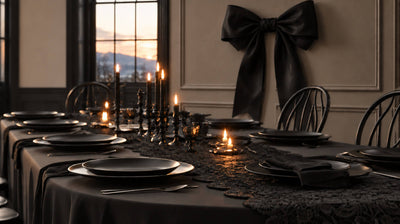
Yes, you can iron polyester tablecloths, but they need lower heat than cotton or linen because polyester is a synthetic fiber that can melt, scorch, or develop shiny marks when exposed to high temperatures. With the right setting, a pressing cloth, and steady movement, you can safely smooth out fold lines and stubborn creases without damaging the fabric.
What Iron Setting Should You Use for Polyester?
Set your iron to the low or synthetic setting, usually between 110°C and 150°C (230°F to 300°F), depending on the care label. Start at the lowest temperature and increase it only if the wrinkles are not coming out, as polyester can quickly develop shiny patches or heat damage when the iron is too hot.

How to Iron a Polyester Tablecloth Safely
Polyester tablecloths can hold onto deep fold lines after storage, shipping, or washing, but they should be handled carefully because too much heat can damage the fibers. The safest method is to prepare the fabric first, use a low temperature, and avoid placing the iron directly on the surface. Taking a little more time with the setup helps remove wrinkles evenly while reducing the risk of shiny marks, scorching, or permanent heat damage.
-
Check the care label first. Make sure the tablecloth can be ironed and follow any specific temperature instructions provided by the manufacturer.
-
Turn the tablecloth over. Ironing the reverse side helps protect the visible surface from shine and heat marks.
-
Choose a low or synthetic setting. Start with the lowest heat and increase it slightly only when necessary.
-
Use a pressing cloth. Place a clean cotton cloth or thin towel between the iron and the tablecloth to prevent direct heat contact.
-
Work in small sections. Move the iron continuously and avoid holding it in one place for too long.
-
Support the finished section. For large tablecloths, place a clean chair or table beside the ironing board so the smoothed fabric does not fall onto the floor or wrinkle again.
-
Let the fabric cool completely. Wait before folding or placing the tablecloth on the table so new creases do not form while the fabric is still warm.
Should You Iron or Steam Polyester?

Both methods can work, but steaming is usually the gentler option for light wrinkles and large tablecloths because it avoids prolonged direct contact with heat. Ironing is better for stubborn fold lines that need more pressure, as long as you use a low setting and a pressing cloth. Choosing the right method can help remove wrinkles from tablecloths while reducing the risk of heat damage.
Common Mistakes to Avoid
The biggest mistake is using a cotton or linen setting, which can be too hot for polyester and may cause shiny patches, scorching, or permanent damage. Avoid ironing directly over printed designs, sequins, or glued embellishments, and never leave the iron resting in one place. Once finished, let the tablecloth cool before folding it so new creases do not set into the fabric.
Easy-Care Polyester Table Linens
Once you know how to remove wrinkles safely, polyester linens become much easier to prepare, reuse, and coordinate for future events. Pair tablecloths with matching runners and napkins to create a polished setup while keeping care and maintenance simple.
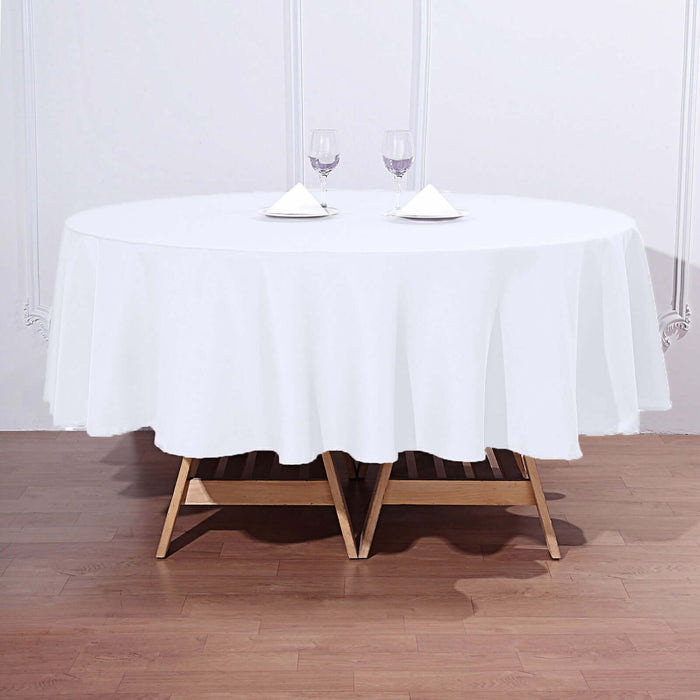
Round Polyester Tablecloth
Explore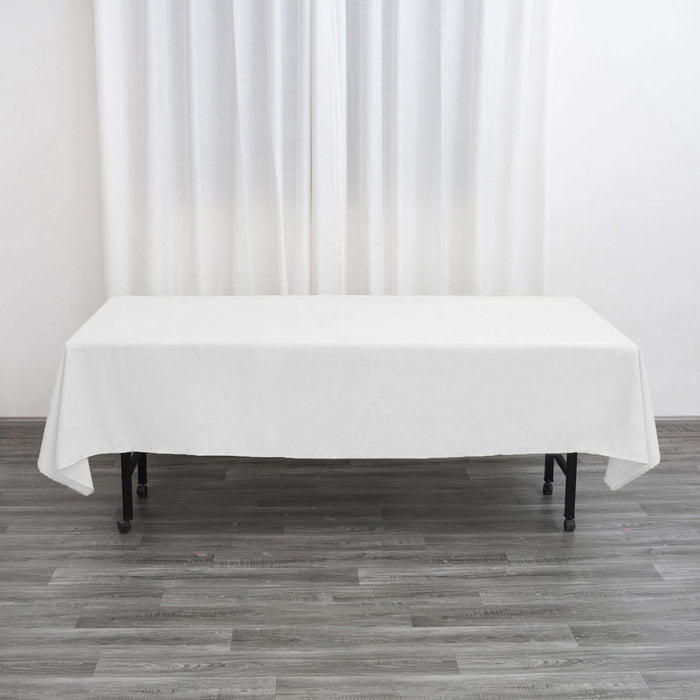
Rectangle Polyester Tablecloth
Explore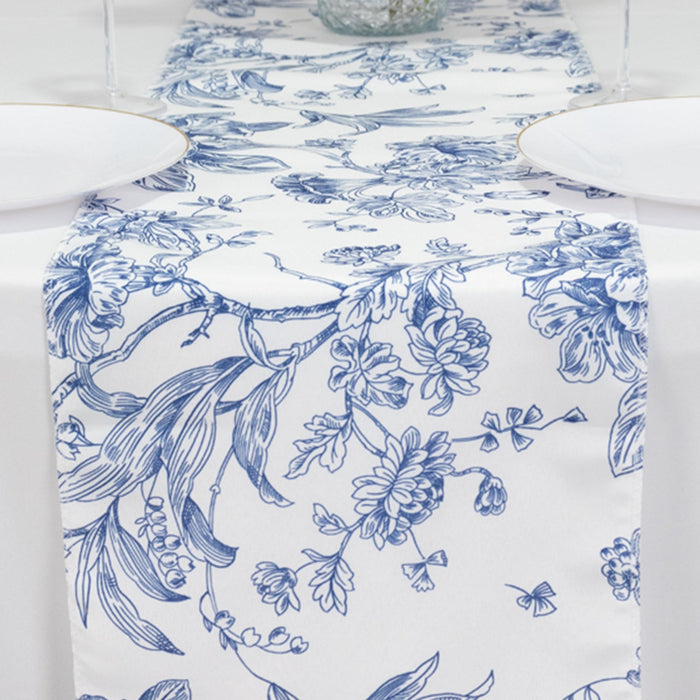
Polyester Table Runners
Explore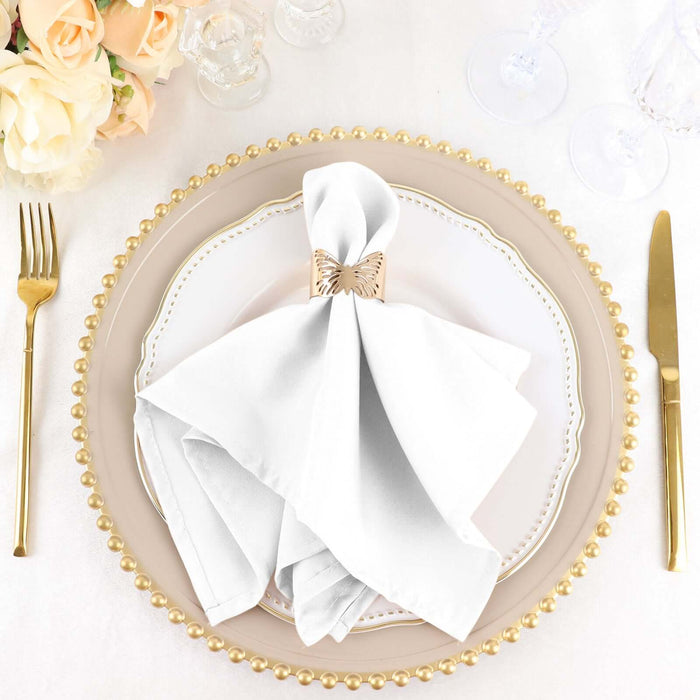
Polyester Cloth Napkins
ExploreKeep Polyester Smooth Without the Risk
Polyester tablecloths are easy to maintain once you know how to handle the fabric properly. Low heat, a pressing cloth, and constant movement are usually all it takes to remove wrinkles safely, while steaming offers a gentler option for lighter creases. With the right method, you can keep your linens looking smooth, polished, and ready for the next event.